

Lithium: Fueling the Clean Energy Revolution
As the foundation of EVs, personal electronics, and grid-scale storage, lithium is more than a mineral, it’s the powerhouse driving the global shift to sustainable energy and a cleaner future.
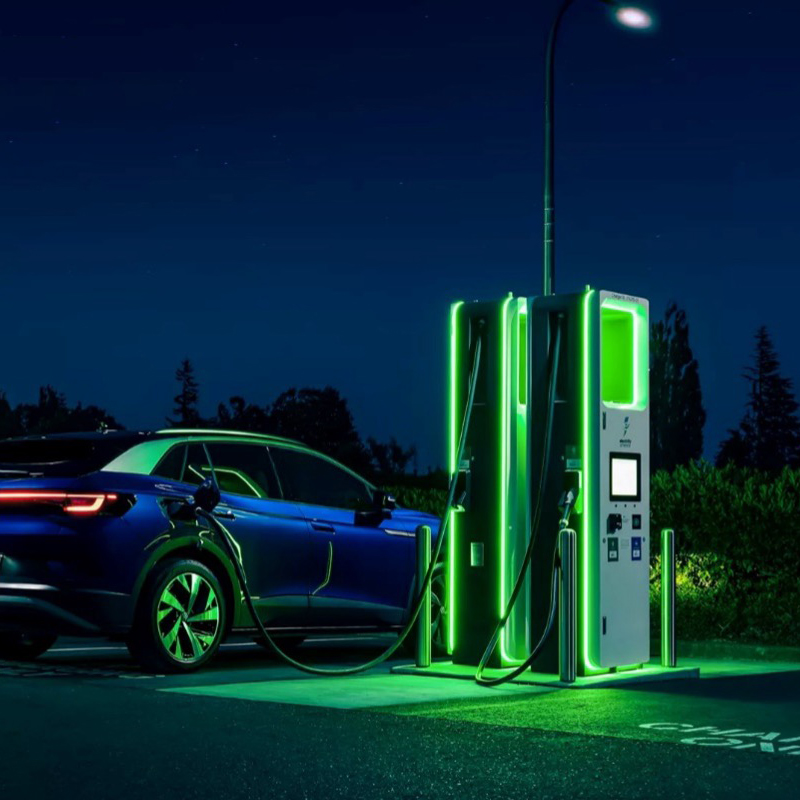
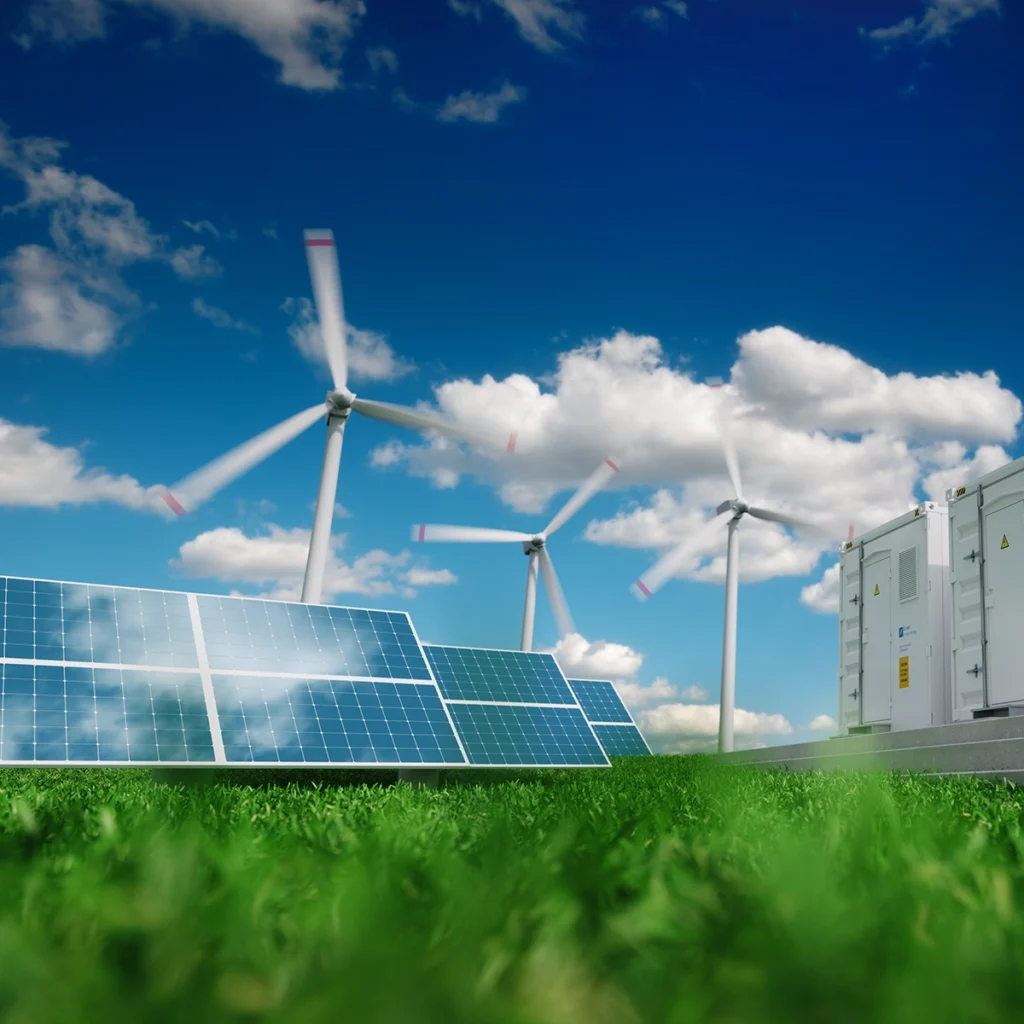
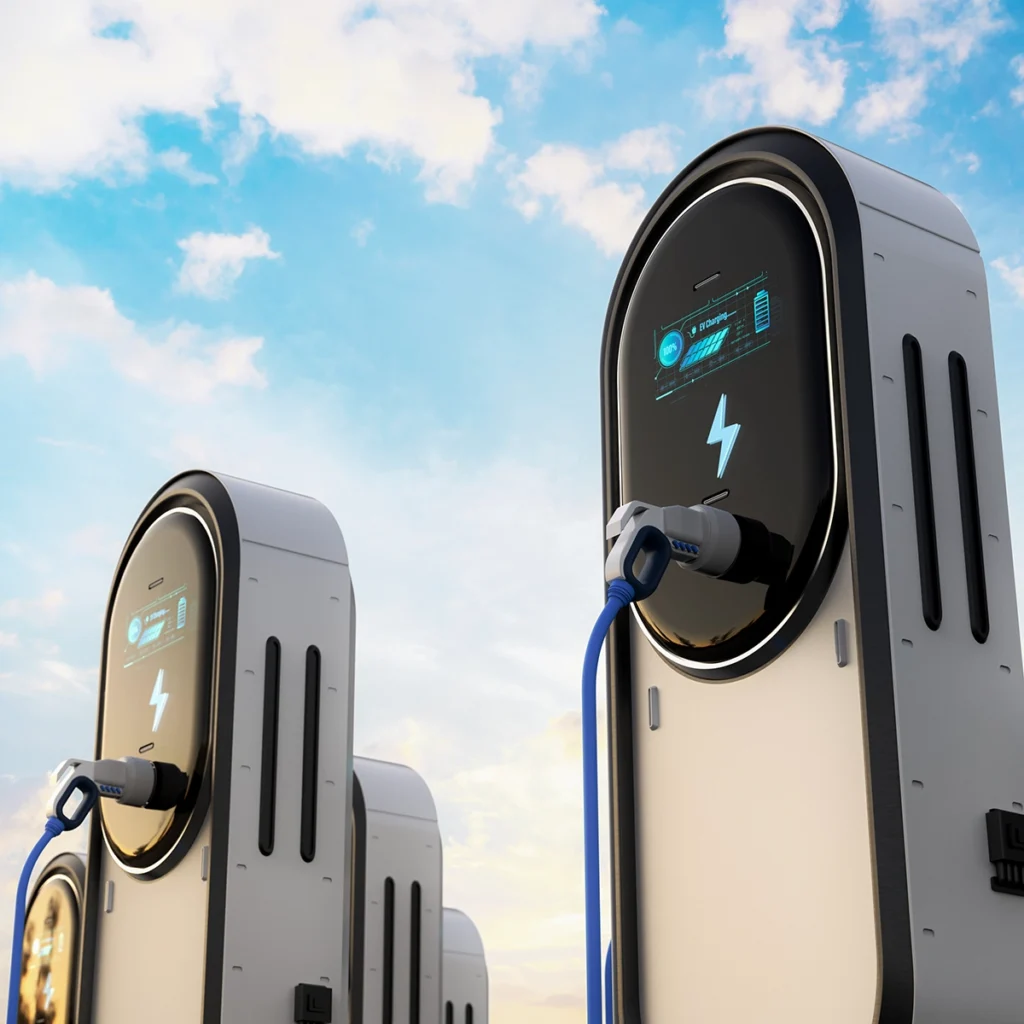
From EVs to Energy Grids: Four Reasons Lithium Matters
Lithium powers the sustainable future—driving EVs, stabilizing renewable grids, and keeping our world connected.
Lithium By The Numbers
Understanding the Lithium Market
Lithium demand is driven by batteries (92% of the lithium demand), which has expanded in recent years due to the rapid adoption of EVs and, more recently, to the surge in demand for Battery Energy Stationary Storage (BESS). Lithium remains central to the batteries used in electric vehicles and stationary energy storage. These markets have different growth drivers, but together they are broadening the demand base for lithium raw materials.
Investors need to look beyond vehicle sales alone: battery demand also reflects vehicle size, battery capacity, commercial-vehicle adoption and the expansion of stationary storage.
Electric vehicles and battery demand
Benchmark reports approximately 9.9 million global EV sales in the first half of 2026, up approximately 4% year over year. Over the same period, battery deployment across EV vehicle classes reached approximately 584 GWh, an increase of approximately 17.5%.
The difference reflects changes in the vehicles being sold, including larger battery packs and stronger growth in heavy-duty electric trucks. For lithium demand, the amount of battery capacity entering vehicles matters alongside the number of vehicles sold.
Benchmark’s Q3 2026 forecast projects 1,393 GWh of EV battery demand for full-year 2026, approximately 16.3% above 2025.
Stationary storage as a second major demand driver
Battery energy storage systems support electricity networks, renewable-energy integration and power supply for homes and businesses. Data centres are also contributing to storage requirements.
Cell shipments expanded faster: Benchmark reports just under 500 GWh of BESS cell shipments in the same period, up approximately 99%. Shipments and operational installations measure different stages of the supply chain. BESS shipped cells represented almost 50% of the 2026 battery demand growth.
Benchmark reports that more than 181 GWh of new BESS capacity entered operation globally in the first half of 2026, up approximately 34% year over year.
Growing demand within a cyclical market
Benchmark’s August 2026 Lithium Forecast Update increased its 2026 lithium demand estimate by approximately 173,000 tonnes of lithium carbonate equivalent (LCE) compared with its July forecast. Stationary storage accounted for approximately 171,000 tonnes of that increase.
For investors, the volatility in the lithium price reinforces the importance of costs, execution, product quality and customer relationships through the commodity cycle.
Stationary storage (BESS) accounted for approximately 98% of the increased forecast.


Critical Minerals
Caesium and Tantalum
Caesium: Rare, Strategic, and In Demand
- Caesium is one of the rarest critical minerals on Earth, prized for its role in advanced electronics, telecommunications, aerospace, and medical imaging.
- With supply largely concentrated in a handful of deposits, market dynamics are shaped by scarcity and high strategic value.
- Securing a stable, Western-aligned source is vital for industries seeking resilience against supply shocks.
Tantalum: Powering High-Tech Innovation
- Tantalum is essential for capacitors and high-performance alloys used in smartphones, medical devices, defense systems, and aerospace.
- Global demand continues to rise as electronics production accelerates, yet supply is often limited and geopolitically exposed.
- Reliable, transparent sources like Shaakichiuwaanaan are key to meeting market needs while ensuring ethical and secure supply chains.